From Solar Power to Hydrogen Storage – Building Energy Resilience on a South African Farm
Building your own energy system is one thing. Running operations on it is another.
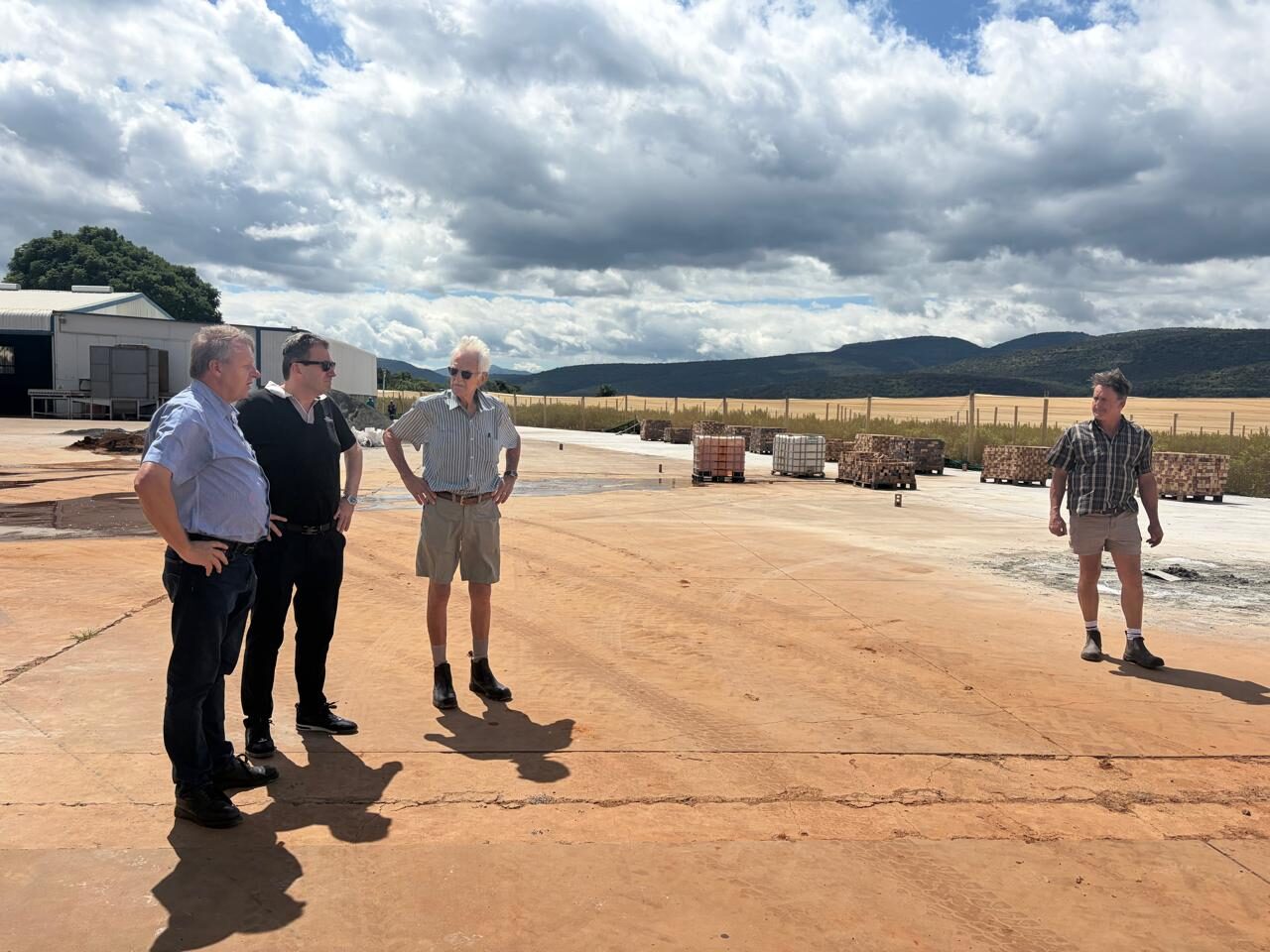
Last week, our CEO Jürgen Laakmann visited JP Landgoed in Limpopo, South Africa – a mandarin farm that is building exactly that. Together with founder Cobus Beetge and our partner TKS Solar Group, the team has been working for over five years on a clear goal: A farm that can operate independently of the grid.
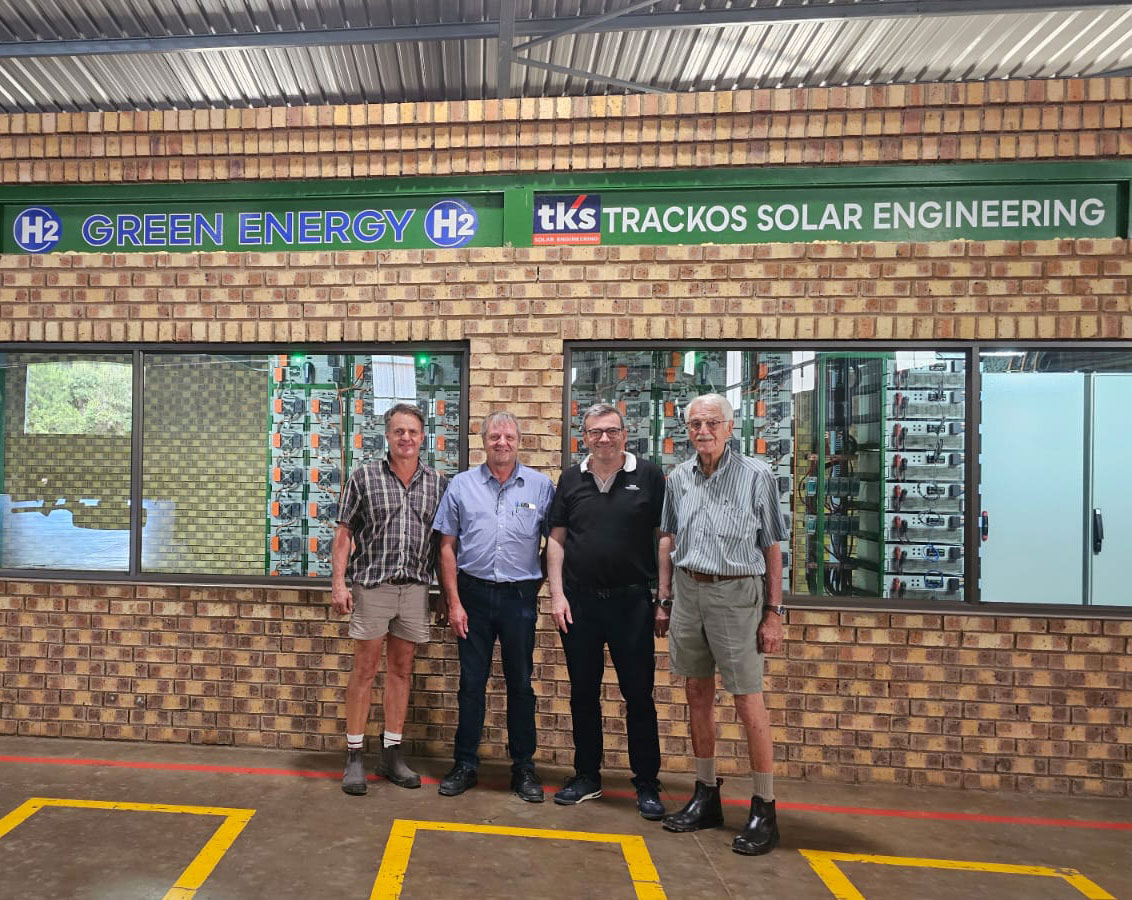
Today, the system already includes:
- ~1 MW of solar PV
- Battery storage
- A private electricity network across 300 hectares
This reliably covers day-to-day operations.
But the real challenge is seasonal. During packing season:
- Energy demand increases sharply
- Packing lines run continuously
- Workforce grows from ~150 to 300+
Instead of oversizing the entire system, the approach is different. Excess solar energy is converted into hydrogen and stored. During peak demand, it is converted back into electricity via fuel cells. Hydrogen becomes the missing link between renewable generation and operational reliability.
Why is this relevant? Because in many regions, stable energy supply is not guaranteed. And for growing businesses, resilience is not optional.
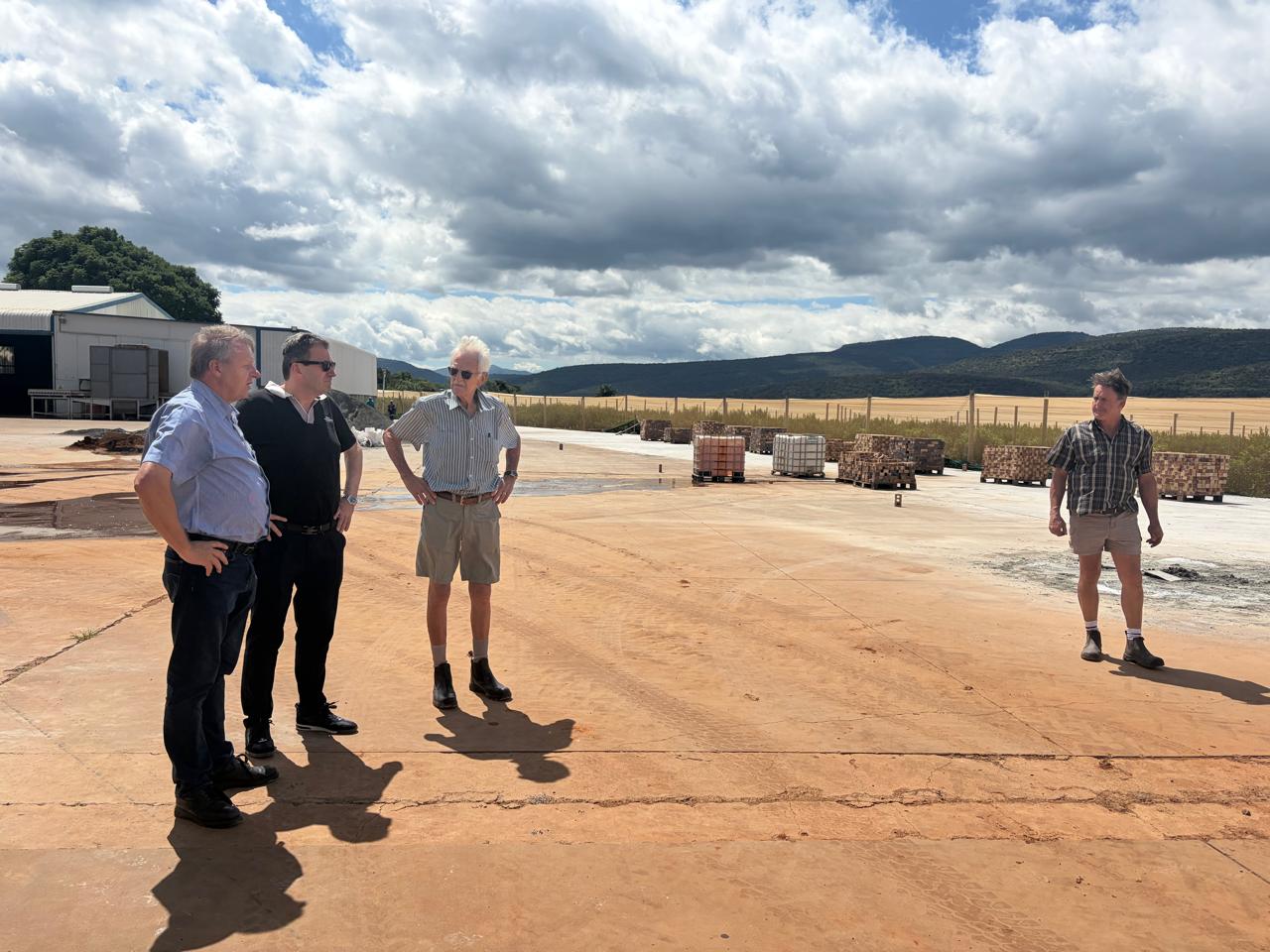
What stands out is how this system was built: Step by step – from generation to storage to future use in mobility.
This is not a theoretical concept. It’s a working blueprint for how decentralized energy systems can scale with real operational demand.
If your operation can’t rely on the grid alone, modular hydrogen storage is worth exploring. ➡ Get a quote